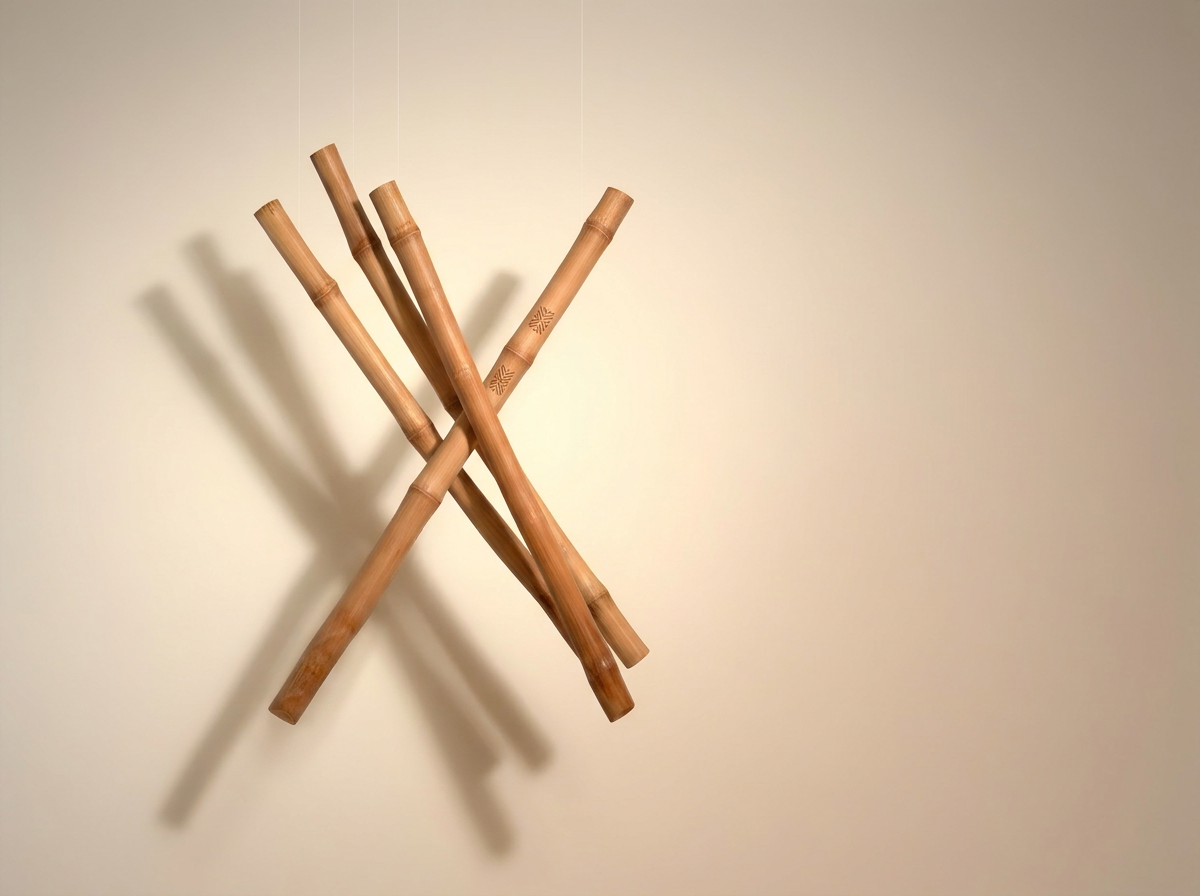
Rattan canes crossed and suspended mid-air, engraved with Kawayan Martial Arts School logo, Arnis Escrima weapons display

Arnis

Filipino Martial Arts Stick Fighting & Self-Defense

Arnis is a traditional martial art from the Philippines, also historically known as Kali and Escrima.

The name Kali refers to a large bladed weapon, reflecting the art’s origins in weapons-based combat. In the late 16th century, Spanish Conquistadors banned the practice — forcing Filipino warriors to disguise their self-defense training.

The word Arnis derives from arnes, the Spanish term for harness.

Modern Arnis as we know it today was founded and popularized worldwide by Grand Master Remy Presas (1936–2001), whose legacy continues through his children and senior students. His 1974 publication Modern Arnis: Philippine Martial Arts Stick Fighting remains a foundational reference.
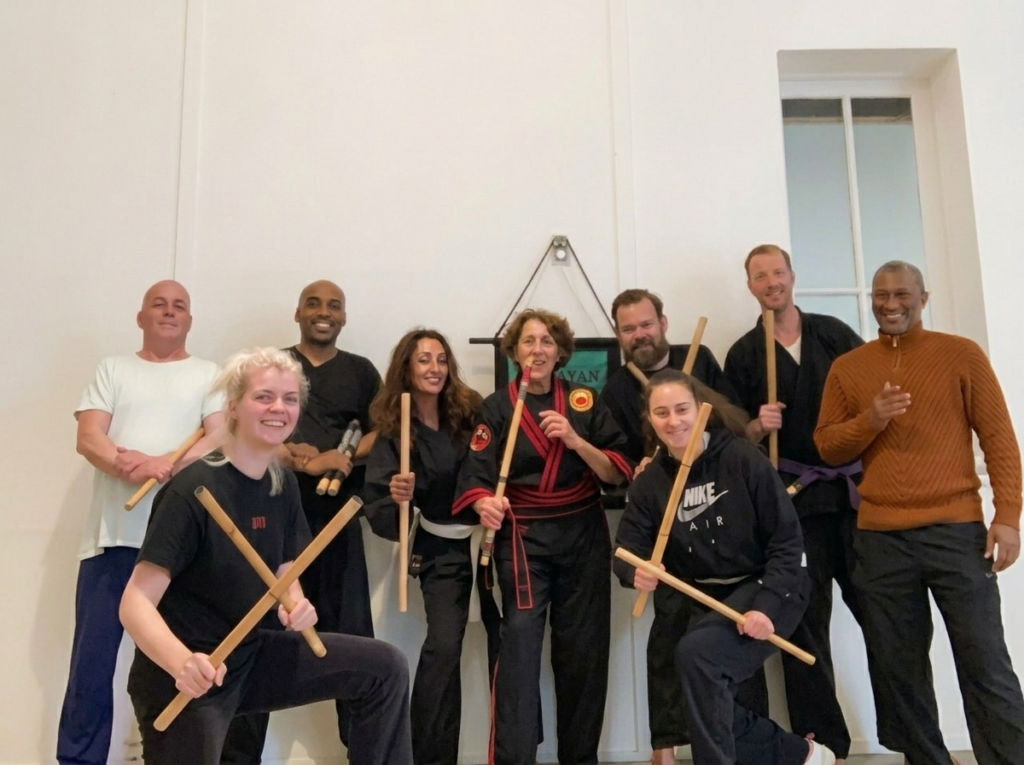
Beth Holt teaching Modern Arnis Filipino martial arts to a mixed group of adult students holding rattan canes, Kawayan Martial Arts School Gemert
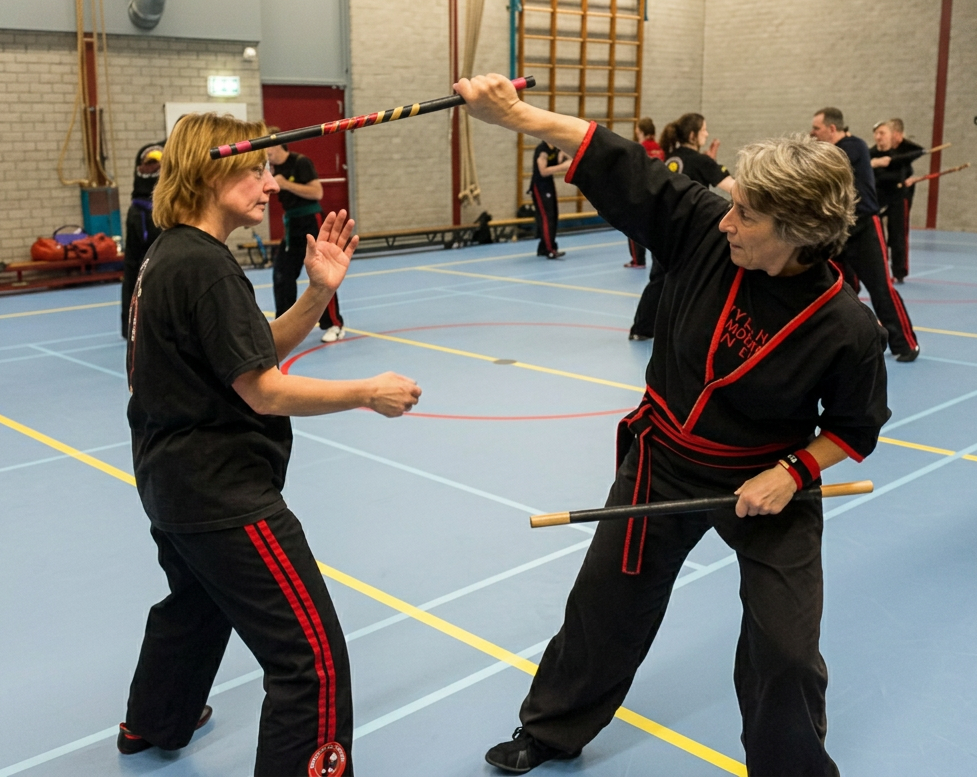
Two women practicing Modern Arnis stick fighting techniques during a martial arts class in a sports hall, Gemert Netherlands

What do you learn in an Arnis class?


Arnis training develops coordination, flexibility, self-confidence, discipline, and strength.

Students learn basic disarms, joint locks, takedowns, blocks, footwork, and anyo (forms).

Advanced practitioners progress to cane sparring, tapi tapi, empty-hand techniques, and combined cane and open-hand applications.

Who is Arnis for?

Arnis is suitable for all ages and experience levels.

It is ideal for anyone seeking a martial art focused on fluid movement, speed, strength, and grace — combined with real personal development.

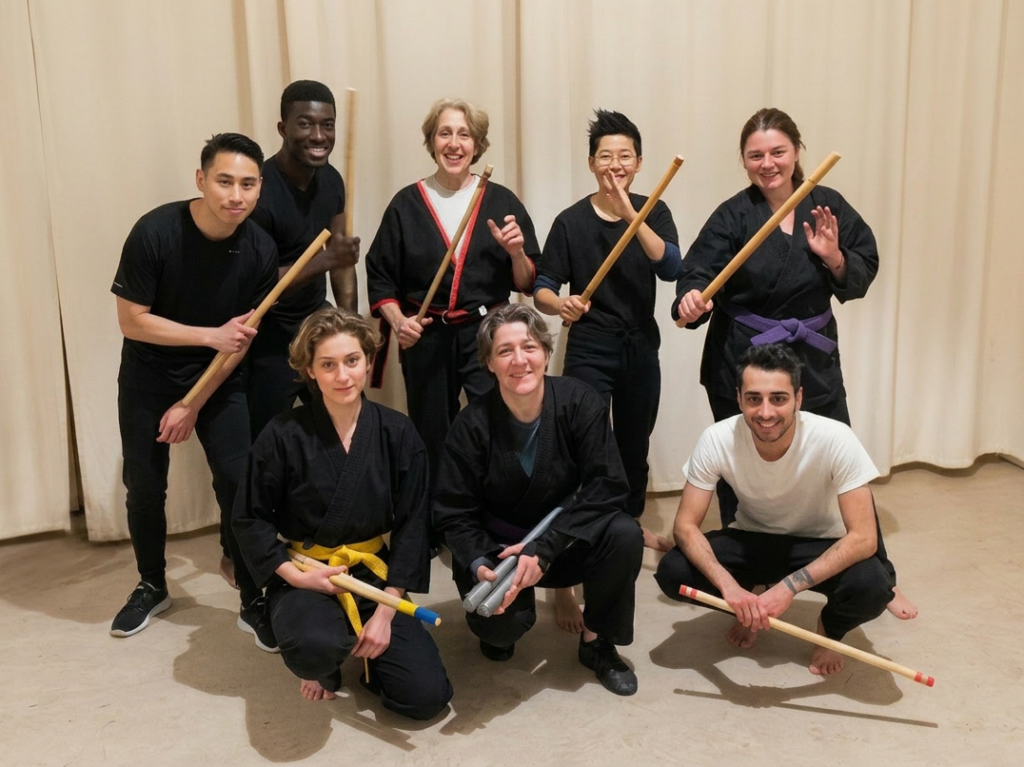
Diverse group of Arnis students posing with rattan canes after a Kawayan Martial Arts School class, Noord-Brabant Netherlands